

Insights from the Electronic Manufacturing Trends Blog

In the fast-evolving world of electronics, staying ahead requires more than just keeping up with the latest components. It demands a deep understanding of manufacturing processes, quality standards, and industry-specific requirements. Over the years, I have gathered valuable insights from the electronic manufacturing blog that have shaped my approach to delivering reliable, high-quality solutions. This post distills those insights into practical guidance for companies seeking expert electronic manufacturing services, especially in aerospace, medical device, consumer electronics, and defense sectors.
Understanding the Current Electronic Manufacturing Trends Blog
The landscape of electronic manufacturing is shifting rapidly. Key trends are driving innovation and efficiency, and companies must adapt to remain competitive. Here are some of the most significant trends I have observed:
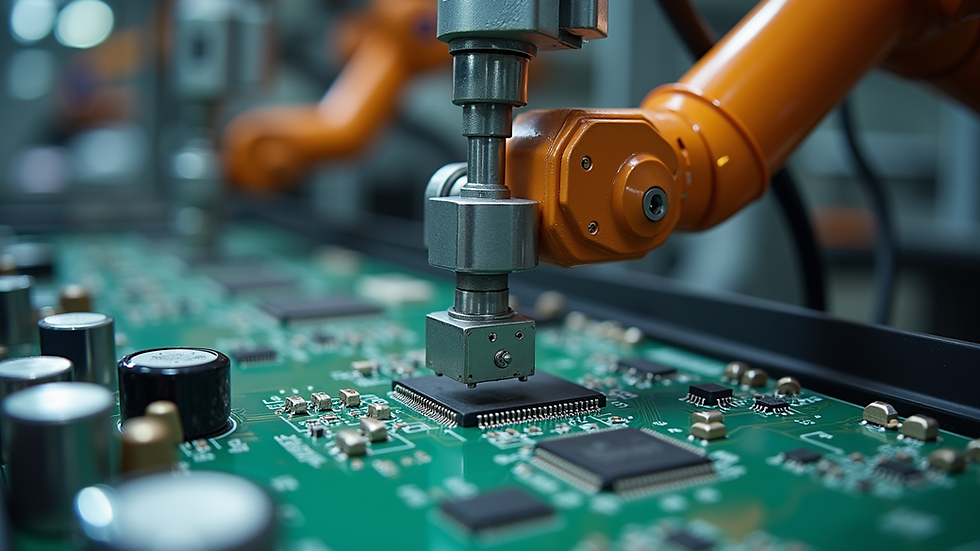
Advanced Automation: Robotics and AI-driven systems are increasingly integrated into assembly lines. Automation reduces human error, speeds up production, and ensures consistent quality.
Miniaturization: Devices are becoming smaller and more complex. This trend demands precision manufacturing techniques and advanced materials.
Sustainability: Environmental regulations and customer expectations push manufacturers to adopt greener processes and materials.
Supply Chain Resilience: Recent global disruptions have highlighted the need for diversified suppliers and local sourcing strategies.
Certification and Compliance: Industries like aerospace and medical require strict adherence to standards such as AS9100 and ISO 13485.
Each of these trends influences how electronic manufacturing services are delivered. Companies must evaluate their partners’ capabilities in these areas to ensure alignment with their product goals.
Precision and Quality Control in Electronic Manufacturing
Quality control is non-negotiable in sectors where failure is not an option. Aerospace and medical device manufacturing demand rigorous testing and traceability. From my experience, the following practices are essential:
In-Process Inspection: Continuous monitoring during assembly catches defects early, reducing rework and scrap.
Automated Optical Inspection (AOI): High-resolution cameras scan PCBs to detect soldering defects, component misplacement, and other issues.
X-Ray Inspection: This technique reveals hidden defects such as solder joint voids and internal component failures.
Functional Testing: Simulating real-world operating conditions ensures the final product performs as intended.
Documentation and Traceability: Maintaining detailed records supports compliance and facilitates root cause analysis if problems arise.
Implementing these controls requires investment in technology and skilled personnel. However, the payoff is a reliable product that meets or exceeds industry standards.
Leveraging Design for Manufacturability (DFM)
Design for Manufacturability (DFM) is a critical step that can significantly impact production efficiency and product quality. I have seen projects where early collaboration between design and manufacturing teams prevented costly redesigns and delays. Here are actionable recommendations:
Simplify PCB Layouts: Minimize layer count and component density where possible to reduce complexity.
Standardize Components: Use widely available parts to avoid supply chain bottlenecks.
Consider Assembly Processes: Design with automated assembly in mind, such as placing components in orientations that facilitate pick-and-place machines.
Plan for Testing Access: Include test points and connectors to enable thorough functional testing.
Review Thermal Management: Ensure heat dissipation is adequate to prevent premature failure.
By integrating DFM principles early, companies can reduce time-to-market and improve yield rates.

Meeting Industry-Specific Requirements
Each industry served by electronic manufacturing has unique demands. Understanding these requirements is crucial for delivering compliant and reliable products.
Aerospace: Components must withstand extreme temperatures, vibration, and electromagnetic interference. Compliance with AS9100 and NADCAP certifications is mandatory.
Medical Devices: Products require biocompatibility, sterilization compatibility, and adherence to ISO 13485. Traceability and risk management are critical.
Consumer Electronics: Speed and cost-efficiency are priorities. However, quality cannot be compromised, especially for safety-critical devices.
Defense: Security, ruggedness, and long lifecycle support are essential. Compliance with ITAR and MIL-STD standards is often required.
Manufacturers must tailor their processes and documentation to meet these standards. Partnering with a provider experienced in these sectors ensures smoother certification and approval processes.
Strategies for Supply Chain Optimization
Recent disruptions have underscored the importance of a resilient supply chain. Here are strategies I recommend for companies seeking reliable electronic manufacturing partners:
Diversify Suppliers: Avoid dependence on a single source for critical components.
Localize Sourcing: Whenever possible, source components closer to manufacturing sites to reduce lead times and transportation risks.
Maintain Safety Stock: Keep buffer inventory for high-risk parts to mitigate delays.
Implement Real-Time Tracking: Use digital tools to monitor shipments and inventory levels.
Collaborate Closely with Suppliers: Share forecasts and production schedules to improve planning accuracy.
A well-managed supply chain supports consistent production and timely delivery, which are vital for customer satisfaction and regulatory compliance.
Final Thoughts on Electronic Manufacturing Excellence
Delivering top-tier electronic manufacturing services requires a holistic approach. It involves embracing technological advancements, enforcing strict quality controls, optimizing design, and understanding industry-specific needs. Companies that prioritize these areas position themselves for success in demanding markets like aerospace, medical, consumer electronics, and defense.
By applying the insights shared here, you can enhance your manufacturing partnerships and ensure your products meet the highest standards. For those seeking further expertise, the electronic manufacturing blog remains a valuable resource for ongoing updates and best practices.
Investing in quality and innovation today will pay dividends in reliability, compliance, and customer trust tomorrow.


Comments